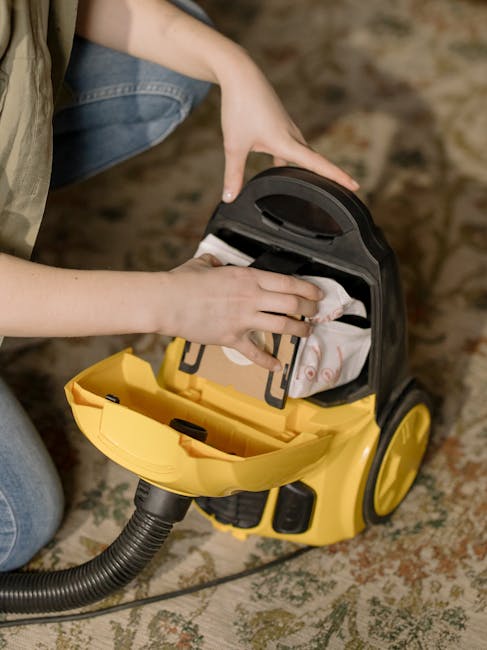
Watford Way carpet cleaning checklist for busy Hendon homeowners
If you live near Watford Way, you already know the pattern: busy mornings, muddy shoes by the door, a few crumbs on the stairs, and carpets that somehow look tired before the week is even half done. A sensible Watford Way carpet cleaning checklist for busy Hendon homeowners takes the pressure off. It helps you keep on top of dirt, protect fibres, and decide when a quick refresh is enough and when a deeper clean makes more sense.
This guide is built for real life, not perfect weekends with endless spare time. We will walk through what to check, how to work through the job in a way that does not take over your day, and what to watch out for if you want cleaner carpets without creating extra hassle. It also includes a practical checklist, comparison table, and a few small but useful details that often get missed.
Truth be told, most homeowners do not need a grand plan. They need a simple system that works on a Tuesday evening, not just in theory.
Table of Contents
- Why this checklist matters for busy Hendon homes
- How the checklist works in practice
- Key benefits and practical advantages
- Who this is for and when it makes sense
- Step-by-step guidance
- Expert tips for better results
- Common mistakes to avoid
- Tools, resources and recommendations
- Law, compliance, standards and best practice
- Options, methods and comparison table
- Case study or real-world example
- Practical checklist
- Conclusion
- Frequently asked questions
Why Watford Way carpet cleaning checklist for busy Hendon homeowners Matters
Carpets do a lot of invisible work. They catch dust, hold pet hair, absorb the odd splash of tea, and take the brunt of daily foot traffic. In homes around Watford Way, where movement in and out of the property can be constant, carpets can start to look dull long before they are actually worn out. A checklist matters because it turns carpet care into a repeatable routine rather than a vague intention.
That is the real value here. Busy homeowners usually do not fall behind because they do not care. They fall behind because carpet cleaning is easy to postpone. One day it is "later this week", then it becomes "after the school run settles down", and before you know it the pile is looking flattened and the hallway smells a bit stale after rain. A checklist keeps things manageable.
It also helps you spot problems early. A fresh spill on wool, a recurring odour near a sofa, or a patch that darkens faster than the rest of the room can all point to something more than surface dirt. Catching these things early often saves time and, frankly, a bit of money too.
If you want a broader look at the service side of things, it can help to review the home-focused approach described on the carpet cleaning service page. For stubborn marks, there is also useful context on stain removal and steam carpet cleaning.
Expert summary: A good carpet cleaning checklist is not about doing more for the sake of it. It is about doing the right tasks in the right order, with less stress and better long-term results.
How Watford Way carpet cleaning checklist for busy Hendon homeowners Works
The checklist works by dividing the job into small decisions. First, identify what type of carpet you have. Then decide whether you need a quick maintenance clean, a spot treatment, or a deeper clean. After that, work room by room rather than trying to tackle the whole house in one go. That is where most people save energy and avoid the "why did I start this?" feeling halfway through.
In practice, the process usually goes like this: clear loose items, vacuum thoroughly, treat stains, test cleaning products in a hidden spot, clean according to fibre type, and allow enough drying time. It sounds simple because it should be simple. The trick is doing each step properly.
For busy households, timing matters as much as technique. A 20-minute evening vacuum, followed by a targeted stain check on the weekend, is often more realistic than trying to deep clean every room at once. And if you have pets, children, or a hallway that sees a lot of outdoor traffic, you may need to prioritise those high-use areas first.
There is also a trust angle here. If you are bringing in professional help, knowing what to expect makes the process smoother. You will be better placed to ask the right questions about method, drying time, and protection. Pages like insurance and safety and health and safety policy are useful for understanding the standards behind a well-run service.
Key Benefits and Practical Advantages
A structured carpet cleaning checklist offers more than a tidier floor. It improves decision-making and helps you avoid accidental damage. That is especially useful for Hendon homeowners who are juggling work, family life, and everything else London throws at you.
- Saves time: You stop rethinking the process every time and simply follow the same sequence.
- Reduces stress: When the job is broken into small steps, it feels less disruptive.
- Protects carpet fibres: Different fibres react differently to moisture, agitation, and product choice.
- Improves hygiene: Regular attention helps reduce embedded dust, crumbs, and general build-up.
- Helps preserve appearance: High-traffic areas stay looking fresher for longer.
- Supports better budgeting: You can judge when light maintenance is enough and when a deeper clean is actually needed.
There is a practical home-life benefit too. Clean carpets can make a room feel calmer, brighter, and more "sorted". Small thing, perhaps, but you notice it when you walk in with muddy shoes and the hallway does not immediately shout at you. That counts.
If you are comparing options, it may also help to look at specialist services such as rug cleaning, upholstery cleaning, and sofa cleaning for a more complete whole-room refresh.
Who This Is For and When It Makes Sense
This checklist is for anyone who wants cleaner carpets without turning the house upside down. It is especially useful if you are a:
- busy professional with limited time at home
- parent trying to keep on top of school-day mess
- pet owner dealing with hair, odour, or the odd accident
- renter or homeowner preparing for guests, moving day, or a change of season
- household with allergy concerns and a need for more regular cleaning
It also makes sense when you are not sure whether a carpet needs cleaning at all. Some signs are obvious: visible staining, muddy footprints, a sticky patch near the dining area. Others are subtle. A carpet may look fine at first glance but still feel flat underfoot or carry a stale, slightly dusty smell in the afternoon heat.
There is a difference between routine maintenance and a proper deep clean. If you only need to remove crumbs and surface dust, a simple weekly routine is enough. If the carpet is holding onto grime, smells, or repeated marks, you are probably in deeper-clean territory.
And yes, if you are one of those people who notices the hallway carpet before breakfast and then ignores it for three weeks, you are in the right place. Happens more than you think.
Step-by-Step Guidance
Here is a straightforward way to work through a carpet cleaning job without wasting effort. Keep it practical. Keep it moving.
1. Walk the rooms and note the problem areas
Start with a quick scan rather than diving in. Look for visible stains, matting, pet zones, and places where shoes are regularly worn indoors. Hallways, landings, and living rooms usually tell the story first.
2. Move loose items out of the way
Pick up toys, shoes, baskets, cables, and small furniture if you can do so safely. The less clutter on the floor, the less likely you are to miss a section or end up cleaning around things twice.
3. Vacuum thoroughly
This is not the glamorous part, but it matters most. Vacuum slowly in overlapping lines, especially around edges and under furniture where dust likes to hide. A quick pass is better than nothing, but a proper pass is better still.
4. Spot-test any cleaning product
Before using a cleaner, test it in a hidden corner. That is particularly important on wool, patterned carpet, and older flooring where dyes may behave unpredictably. A tiny test area can save you from a much bigger headache.
5. Treat spots before the main clean
Do not scrub aggressively. Blot, lift, and work from the outside of the stain inwards where appropriate. If a mark is greasy, set-in, or unknown, it may need a more specific treatment rather than a one-size-fits-all solution.
6. Clean in sections
Work room by room or even half-room by half-room. That is the secret for busy homes. You stay in control, and you do not end up with one damp room and three unfinished ones. Been there, regretted that.
7. Allow proper drying time
Drying is part of the job, not an afterthought. Open windows where sensible, keep foot traffic to a minimum, and avoid replacing heavy furniture too soon. A carpet that looks clean but stays damp can develop a musty smell and attract new dirt faster.
8. Finish with a final check
Once the carpet is dry, look over high-traffic areas again. Sometimes a patch needs a second light pass or a different treatment. No shame in that. Real homes are not showroom floors.
Expert Tips for Better Results
A few small habits make a big difference over time. They are not complicated, which is exactly why people sometimes skip them.
- Use mats strategically: A good mat at the entrance catches grit before it reaches the carpet.
- Vacuum before dirt gets ground in: Letting dry soil sit too long makes it harder to remove later.
- Focus on traffic lanes: These are the areas that show wear first, so give them extra attention.
- Do not oversoak fibres: More water is not automatically better. In fact, it can be worse.
- Lift rather than scrub: Scrubbing can spread stains and roughen carpet pile.
- Rotate furniture occasionally: It helps prevent permanent flattening in the same spots.
If you have pets, keep an eye on odour rather than colour alone. A carpet can look clean and still hold smells after repeated accidents or damp paws. For those situations, a specialist approach such as pet stain odour removal is often more effective than general cleaning.
One more thing: if a stain keeps coming back after drying, that usually means residue is still present beneath the surface. It is annoying, yes, but it is also a clue. And clues are useful.
Common Mistakes to Avoid
Most carpet cleaning mistakes are not dramatic. They are small, repeatable, and easy to overlook when you are busy. That is why they keep happening.
- Using the wrong product for the fibre: Wool, synthetic, and blended carpets all behave differently.
- Applying too much liquid: Over-wetting can push dirt deeper or slow drying unnecessarily.
- Rubbing stains hard: This can spread the mark and damage the pile.
- Skipping the vacuum stage: Dry debris can turn into muddy residue once cleaning begins.
- Ignoring drying time: Putting furniture back too soon can leave marks or trap moisture.
- Cleaning only the visible patch: This can create a "clean spot" effect that stands out more than the original mark.
Another common issue is trying to solve every problem with the same method. A tea spill, a pet odour, and a flattened hallway patch need different thinking. Not wildly different, but different enough that a one-step fix can be disappointing.
Let's face it, most people are not short of cleaning products. They are short of a plan.
Tools, Resources and Recommendations
You do not need a van full of equipment to keep carpets in decent shape. A small, sensible toolkit is usually enough for routine care.
- A reliable vacuum cleaner: Ideally one that handles edges and upholstery as well as open floor areas.
- Clean white cloths or microfibre cloths: Useful for blotting spills without transferring colour.
- A soft brush: Handy for loosening fibres gently in small areas.
- Bucket or spray bottle: Useful for controlled application, if needed.
- Protective gloves: Practical when handling products or dealing with stubborn marks.
- Fans or good ventilation: Important for faster drying after a deeper clean.
For homeowners comparing professional services, the most helpful pages are usually those that explain the service scope and expectations clearly. A good starting point is pricing and quotes, especially if you want to understand how the work might be scoped before you commit. For broader household care, the related pages on curtain cleaning and mattress cleaning can help you think beyond the carpet itself.
There is also a practical operations side to consider. A company's approach to payment and security, terms and conditions, and recycling and sustainability tells you something about how carefully it runs day to day. Not flashy, but useful.
Law, Compliance, Standards, or Best Practice
For most homeowners, carpet cleaning is a practical maintenance task rather than a regulated project. Even so, there are still sensible standards to keep in mind. Safe product use, care around wet floors, and clear communication with anyone cleaning inside your home all matter.
In the UK, best practice usually means using appropriate products for the carpet fibre, following manufacturer guidance where available, and taking reasonable steps to avoid slips, trip hazards, and excess moisture. If professional cleaners are involved, you would normally expect them to have suitable public liability cover, clear safety procedures, and a method that matches the condition of the carpet.
Where pets, children, or allergy sensitivities are involved, it is especially wise to ask about drying time and residue. A carpet should feel fresh without being left damp or overly scented. That is the balance you want.
It is also sensible to work with a provider that is transparent about complaints, privacy, and insurance. Those details may not sound exciting, but they are part of a trustworthy service. For example, it is reasonable to review pages such as complaints procedure and privacy policy when deciding who to book.
Options, Methods, or Comparison Table
Here is a simple comparison of common carpet-cleaning approaches. The right choice depends on the carpet type, the level of soiling, and how much time you have available.
| Method | Best for | Pros | Watch-outs |
|---|---|---|---|
| Routine vacuuming | Weekly upkeep and dry soil | Fast, low-cost, keeps dirt from building up | Will not remove deeper stains or odours |
| Spot cleaning | Small spills and fresh marks | Quick, targeted, useful between full cleans | Can spread stains if rushed or rubbed too hard |
| Steam carpet cleaning | Deeper refresh and embedded dirt | Strong cleaning action, good for tired-looking carpet | Needs drying time and correct technique |
| Professional deep clean | Busy homes, large areas, stubborn problems | Convenient, thorough, expert handling of tricky fibres | Cost and booking time need to be planned in advance |
If you are deciding between doing it yourself and booking help, think about time, carpet type, and how persistent the problem is. A small spill on synthetic carpet may be perfectly manageable. A recurring smell in a busy family hallway is a different story.
Case Study or Real-World Example
A Hendon homeowner near Watford Way once described the classic problem: the house looked tidy enough at a glance, but the hallway carpet had become noticeably dull, the living room showed a faint traffic line, and a small pet odour kept returning after rainy days. Nothing dramatic. Just enough to be irritating every time they walked in with groceries.
Instead of trying to clean everything in one go, they split the work across two evenings. First came a full vacuum and a careful check of the hall and living room edges. Then they spot-treated a few marks, cleaned the worst traffic areas, and left plenty of drying time overnight with windows open a little. The next day, the hallway felt lighter underfoot and the odour had reduced enough to make the room feel normal again.
The useful part of that example is not the outcome alone. It is the process. Short sessions, sensible priorities, and no heroic effort on a work night. That is what busy households usually need.
Practical Checklist
Use this checklist before, during, and after your carpet cleaning session. Keep it simple. Tick things off as you go.
- Check the carpet type if you know it
- Clear shoes, toys, and loose items from the area
- Vacuum slowly and thoroughly
- Inspect high-traffic lanes, corners, and under furniture
- Test any product in a hidden spot
- Blot stains rather than rubbing them
- Work in sections so the job stays manageable
- Do not over-wet the carpet
- Open windows or use airflow where practical
- Keep pets and children off damp areas
- Allow full drying before replacing furniture
- Recheck stubborn spots once dry
- Decide whether the carpet needs a deeper professional clean next time
If you want to make the checklist even more practical, write three priority zones for your home: usually hallway, living room, and stairs. That way, if time runs short, you still tackle the parts that get hit hardest.
Conclusion
A Watford Way carpet cleaning checklist for busy Hendon homeowners is really about reducing friction. It gives you a clear route through a job that can otherwise feel messy, time-consuming, and easy to put off. With the right order of tasks, a few sensible precautions, and a realistic view of what your carpets actually need, you can keep your home fresher without making carpet care a whole weekend project.
The key is consistency. Not perfection. A little routine goes a long way, and honestly, that is usually what keeps a busy house feeling under control. Clean floors, less fuss, and one less thing hanging around in the back of your mind.
Get a free quote today and see how much you can save.
And if you only take one thing from this guide, make it this: deal with the small stuff early. It is simpler, kinder to the carpet, and much easier on you.
Frequently Asked Questions
How often should busy Hendon homeowners clean their carpets?
For most homes, regular vacuuming once or twice a week is a sensible baseline, with deeper cleaning as needed depending on foot traffic, pets, and spills. Hallways and living rooms usually need more attention than spare rooms.
What is the easiest first step in a carpet cleaning checklist?
Start with a full vacuum. It removes loose dirt and makes every other step more effective. Skipping it is one of the quickest ways to turn carpet cleaning into extra work.
Can I use the same cleaning method on every carpet?
Not really. Wool, synthetic, and blended carpets respond differently to moisture and cleaning products. Always check the fibre type if you can, and test any product in a hidden area first.
What should I do about pet smells in the carpet?
Pet odours often need more than a surface clean. It helps to identify the affected area, treat it properly, and allow complete drying. In more stubborn cases, a specialist approach may be needed.
How do I know if a stain is worth treating myself or calling for help?
Fresh, small stains are usually worth handling quickly at home. Older stains, greasy marks, or anything that keeps returning after cleaning may need more targeted treatment or professional attention.
Is steam cleaning safe for all carpets?
No method suits every fibre. Steam cleaning can be effective for many carpets, but delicate or older materials may need a gentler approach. That is why a proper check before cleaning matters.
How long should a carpet take to dry after cleaning?
Drying time depends on the method used, ventilation, and how much moisture was applied. The safest approach is to allow the carpet to dry fully before replacing heavy furniture or resuming normal use.
What are the biggest mistakes busy homeowners make?
The most common mistakes are rushing, over-wetting the carpet, rubbing stains too hard, and leaving drying time too short. All of these can reduce the final result or even make the problem worse.
Do I need professional cleaning if the carpet looks okay?
Not always, but appearance is only part of the story. Dirt can sit below the surface and traffic lanes can become compacted long before the carpet looks truly dirty. A deeper clean may still be worthwhile.
What should I ask before booking a carpet cleaning service?
Ask about the cleaning method, drying time, what is included, how they handle stains, and whether they have suitable insurance. Clear answers are usually a good sign.
Can carpet cleaning help with allergies?
It can help reduce built-up dust and debris, which may improve comfort for some households. That said, results vary, and carpet care should be one part of a broader home-cleaning routine.
Where can I find more information about related home cleaning services?
If you are thinking beyond carpets, it can be useful to review the related pages on sofa cleaning, upholstery cleaning, and mattress cleaning. They help you plan a more complete refresh for the home.